Gathering Small Scale Metal Recycling at Home
Box filled with various metal items gathered for scrap metal recycling.

Box filled with various metal recycling pieces in my garage.

I’ve been gathering metal recycling in its own bin and taking it down to the scrap yard for several years now. Most people know the scrap yard as a place you take old car bodies and washing machines, but I enjoy bringing my small household metals in there as well. There are a few reasons why I decide to collect my own household metals instead of putting the tin cans out on the curb and throwing away the rest. First, I can’t necessarily rely on curb recycling services to always recycle properly (instead of throwing all the recycling in the landfill because it has been contaminated with wish-cycled items like diapers). Second, my curbside recycling only accepts tin and aluminum cans - and I am definitely taking the aluminum cans into the Bottle Drop myself because they are worth a dime a piece in Oregon. Third, I like separating the valuable metals and seeing the metal sorting process at the scrap yard up close. Fourth and maybe most important, I am most interested in sustainability, waste streams, and reducing wasted materials in our everyday lives.

Some items that commonly go in my small metal recycling bin at home are: cut wires (I work in robotics), metal sheet cutoffs and ruined bolts (I do robotics and our home repairs), and electronic items (I resell on eBay and sometimes can’t fix electronics I find). Having a scrap metal bin at home is also nice because I can source things that I may need later for home or work projects. I also know that saving scrap metal is a common (and not new) practice for farmers and hobbyists. When I go to farm estate sales, the piles of old metal pipes and metal farm equipment show me that many people like to save metal pieces to do their own repairs. Metal is a valuable material that takes a lot of energy to make, and lasts awhile in the right storage conditions.

While I also could argue that saving scrap metal is worth the money, scrap metal is not worth enough right now for me to actively go out searching for it. When I do gather enough metal to bring in (maybe a large trash can’s worth) it is a nice but small monetary bonus of less than $10 if I don’t have any expensive metals like solid brass. Still, collecting small metal items at home lets me be mindful of what kinds of metal “trash” we would otherwise throw away and remove it before it goes to landfill. It is a nice exercise in sustainability mindfulness.

Visible (Ugly) Mending

A visible (ugly) repair on a beloved coffee mug.

Mending is usually a product of necessity for many of us who refuse to purchase a new item when the existing one “still works.” When I was younger I often associated this trait with grumpy old men who wanted to hold on to their dearly held tools or shoes and refused to buy into the new fashionable things they were supposed to buy. I should be clearer that when I was young I looked down on people that did this as stodgy weirdos who had poor taste. Note that I said I used to think this way. When I was young I bought into the idea that new is better and relished the high I would get purchasing a new item, going through items I didn’t want, and then giving those unwanted items to charity. Perhaps needless to say, my mind has changed significantly since those wasteful days. Not only do I have to be way more conscious of my money, and so therefore have to mend and fix items I use on a regular basis, I believe that environmentally and socially it is the right thing to do.

The image above is from a mug I got for free from a church rummage sale. I got it for free because I asked for a discount on the price because of the repair and the seller just said “take it.” The maker, Taylor & Ng, actually made several mugs in the 1970’s ago that resell for good money if they are not damaged. I noticed this one initially because of the Taylor & Ng signature but then also quickly realized that this mug has been messily mended using epoxy or some other permanent adhesive. Initially I thought that I could remove the adhesive and redo the mend to “look prettier” but after the adhesive survived through the dishwasher and the microwave I gave in and accepted the look for what it was - something that someone wanted to keep yet was not necessarily a expert repairer. Also, it was vintage and had a cat design, which is almost an instant keep for me.

The main lessons I take from this mug (and other things I have purchased in similar shape) are that (1) broken items are not necessarily unusable, (2) something doesn’t have to be pretty in the typical sense to be worth keeping and using, and (3) visible mending is an unexpectedly powerful way to portray a dedication to sustainability. The last point is poignant for me, especially because I’ve seen the trend of visible mending in recent fashion design. Visible mending speaks to our need to use less, reuse, and repair, in a very simple way. Purposely making, owning, and showing visibly mended objects is a persuasive action.

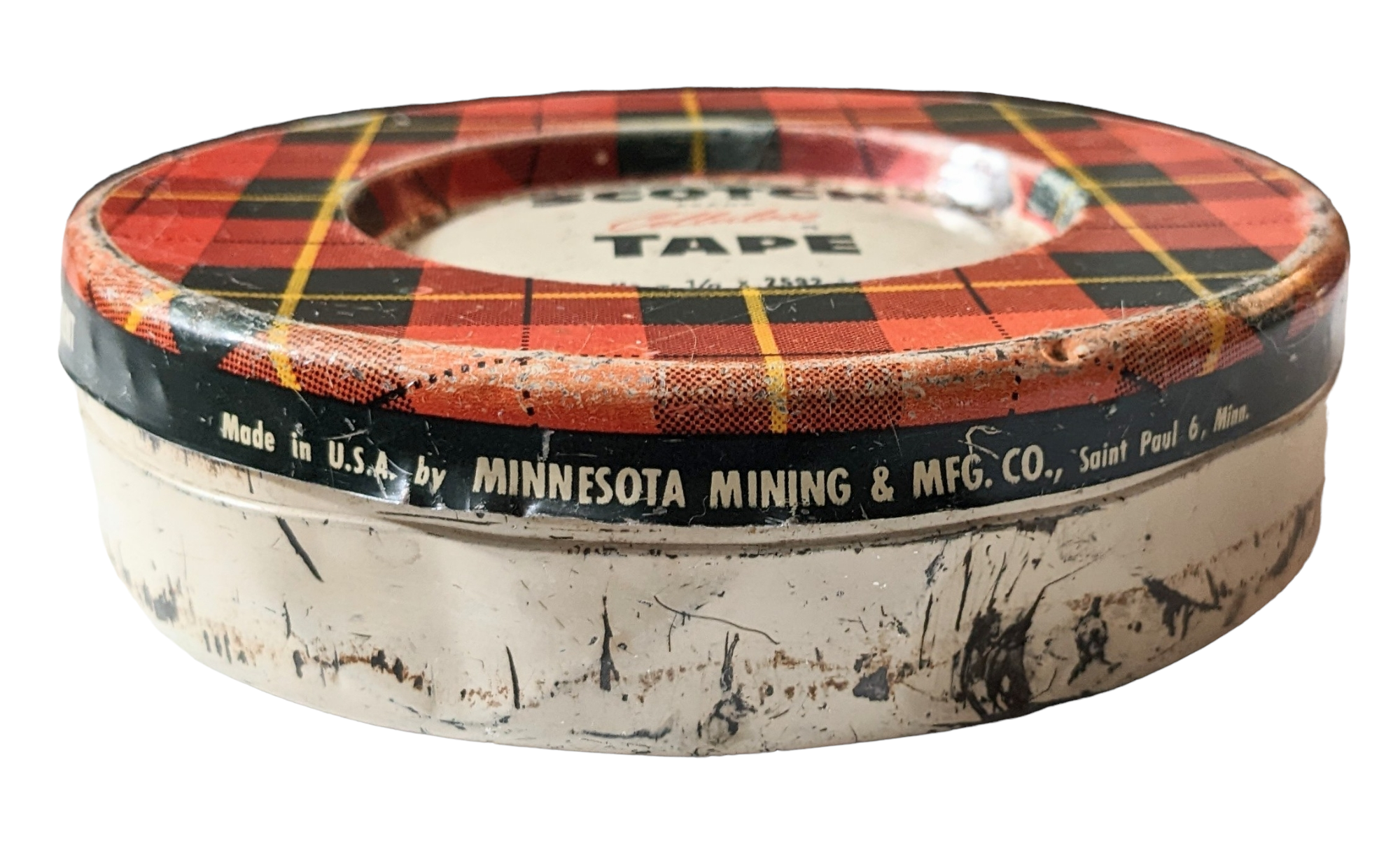
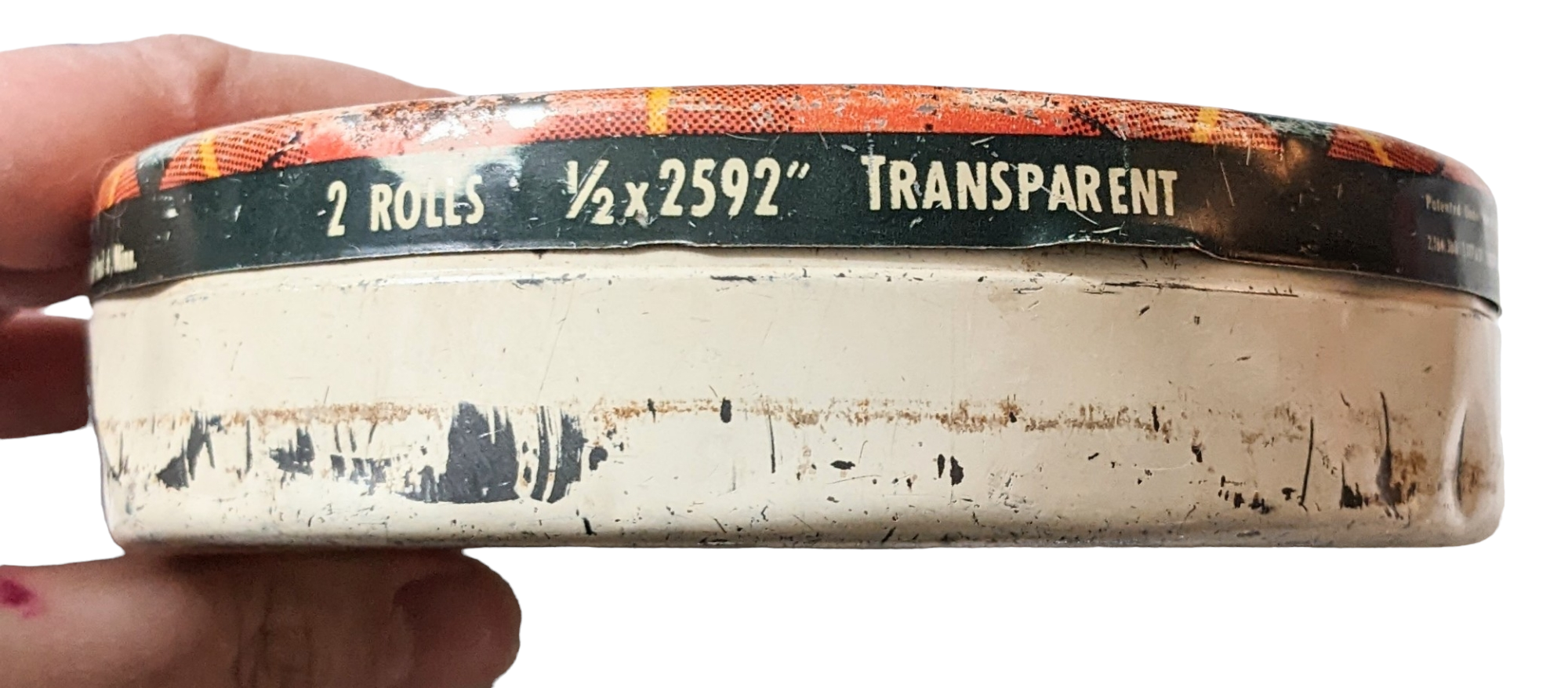
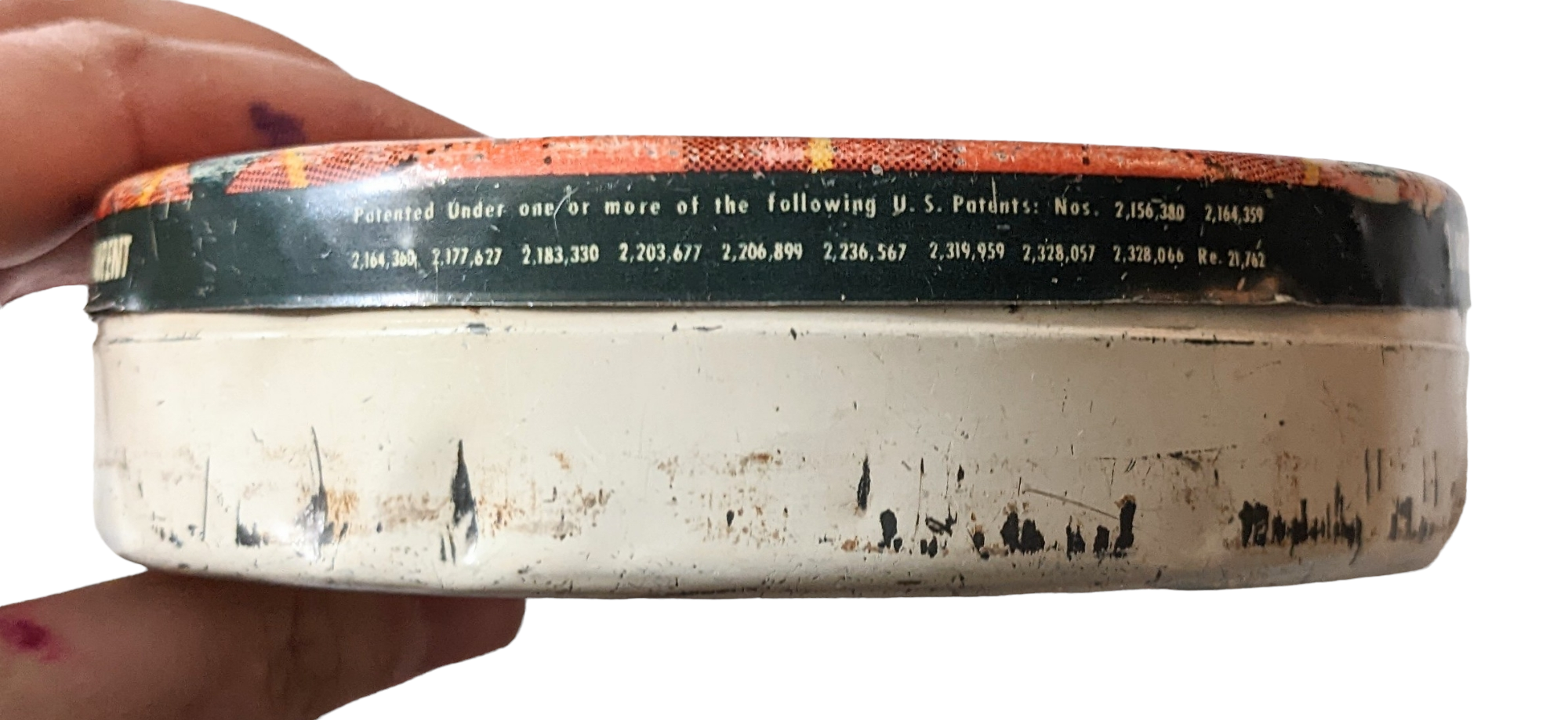
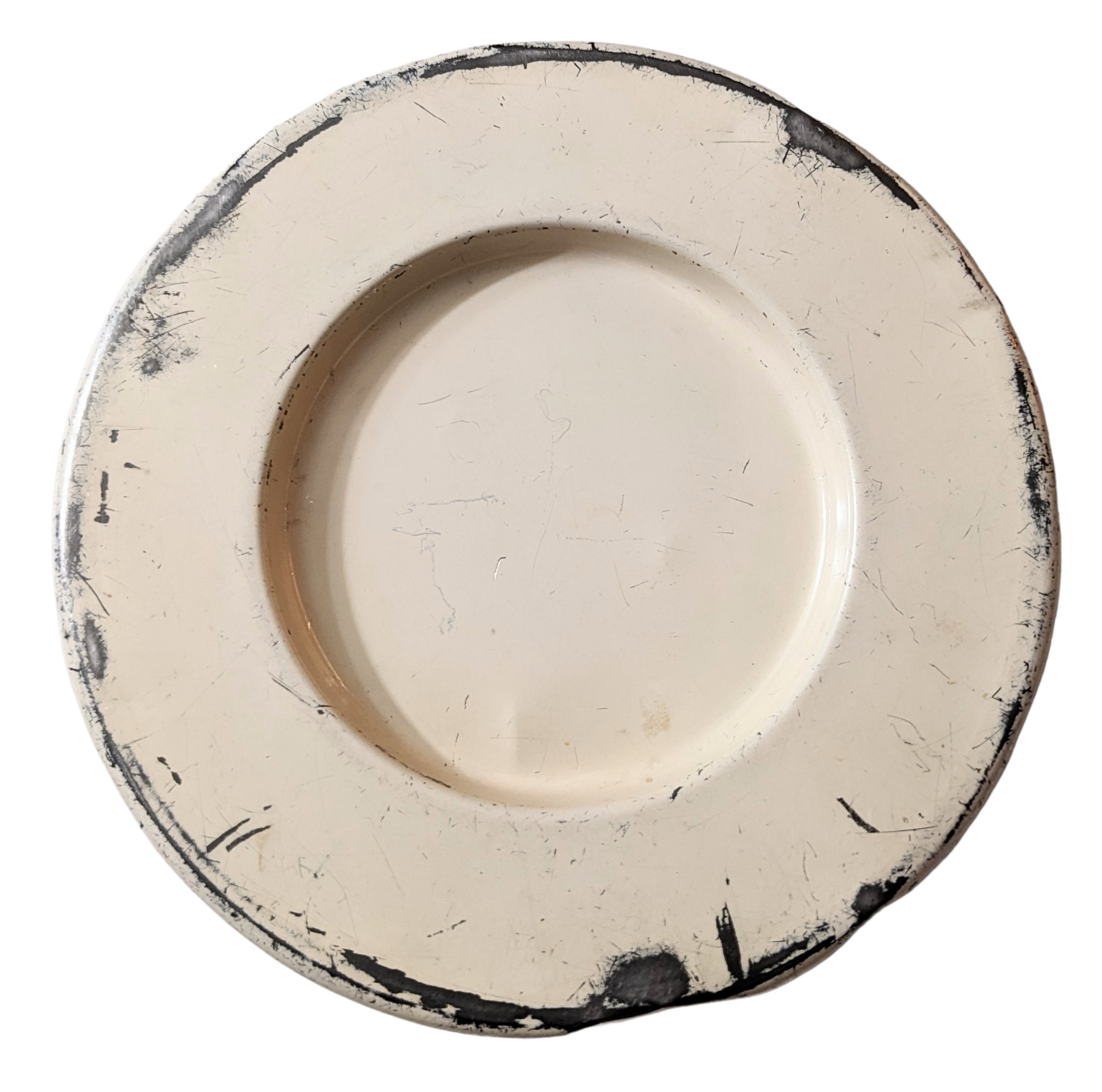
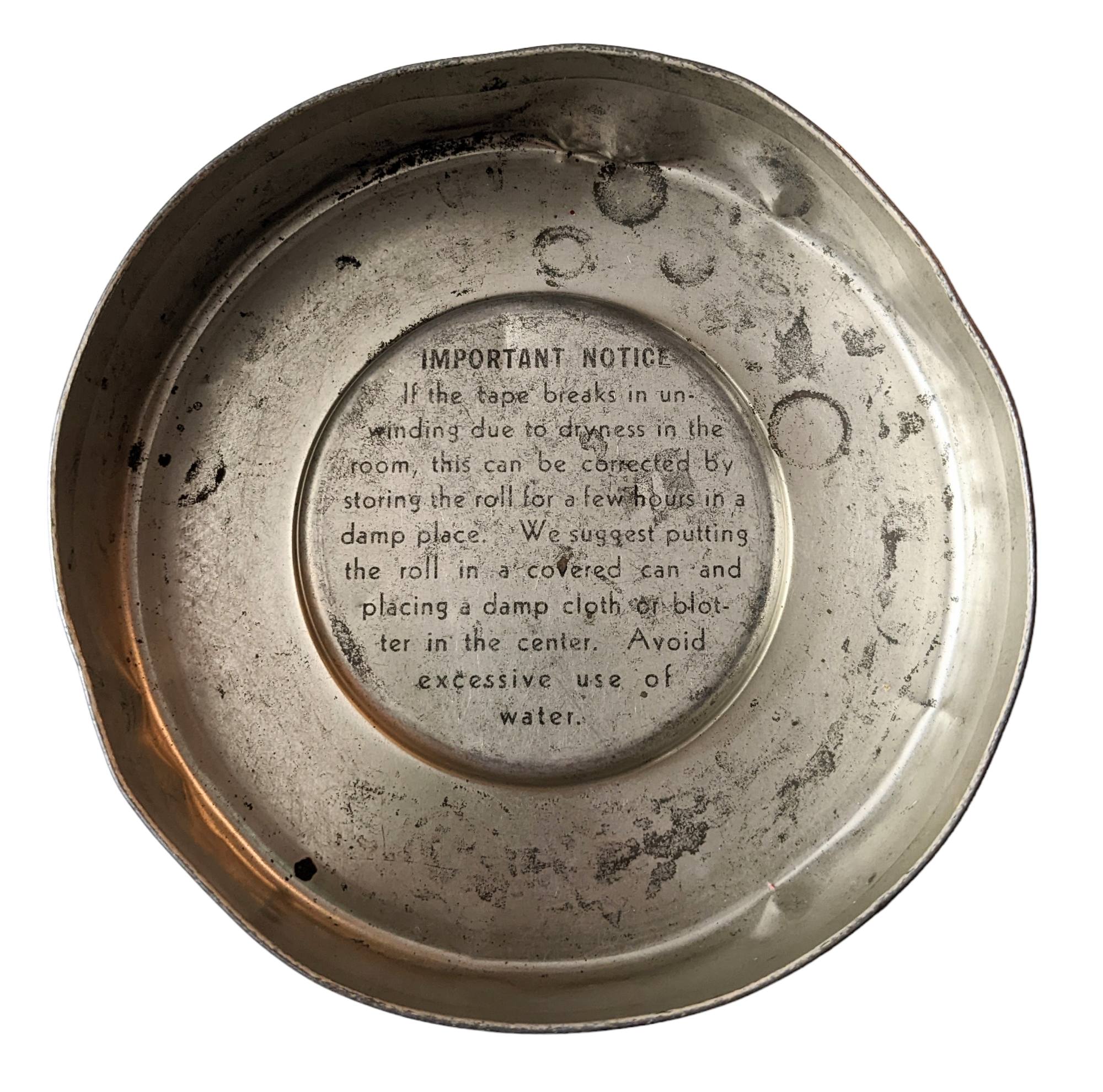
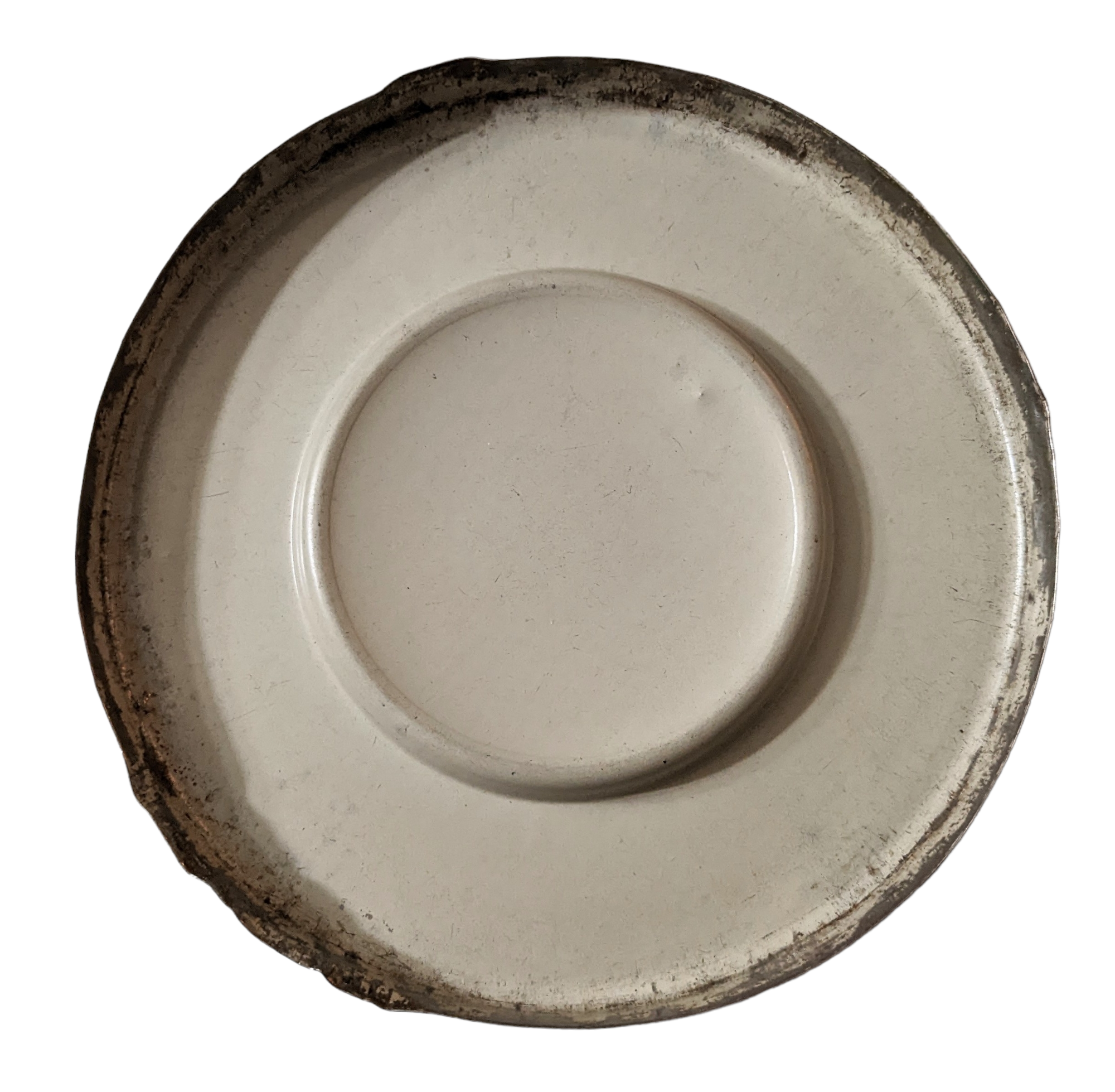
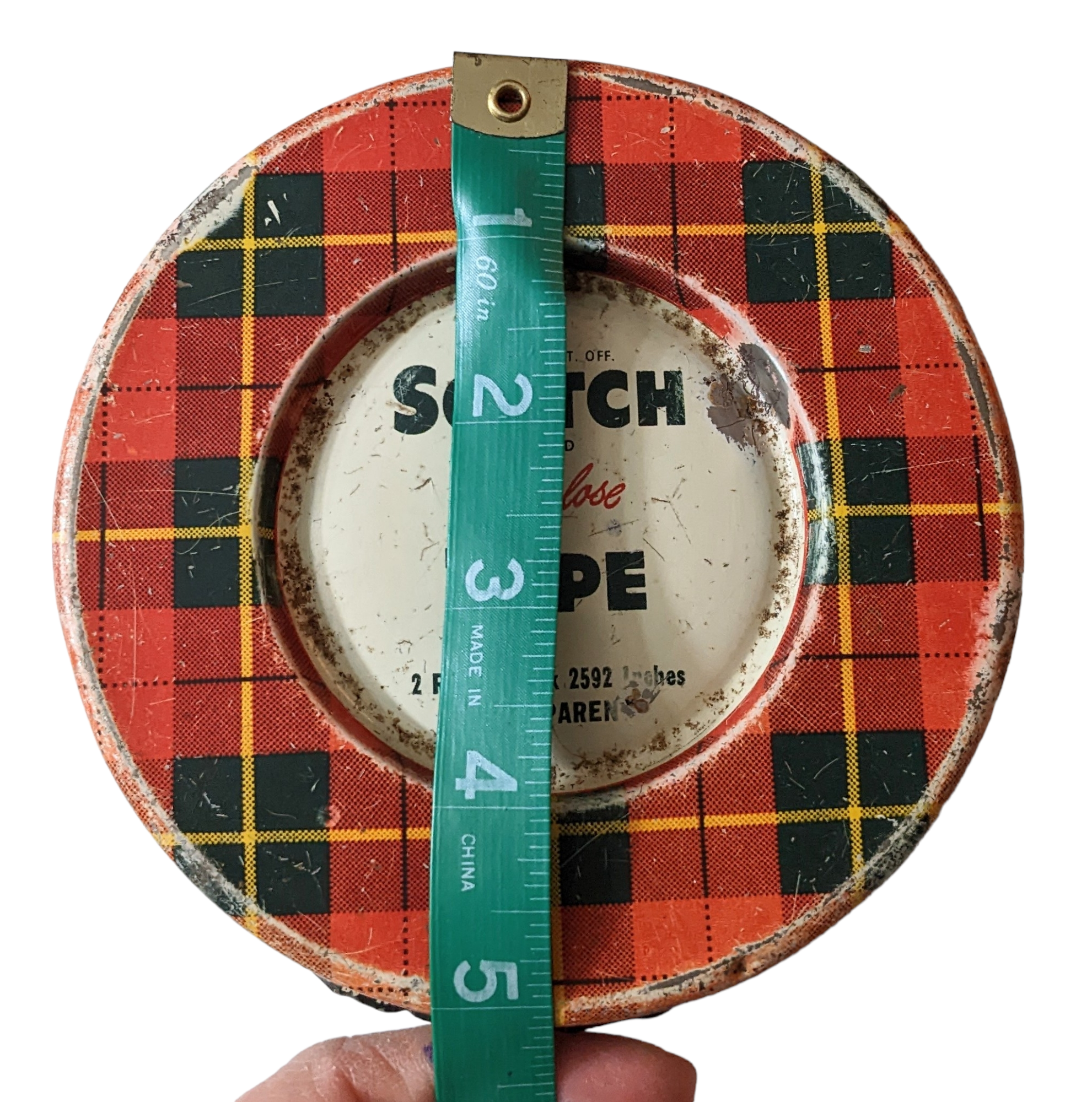
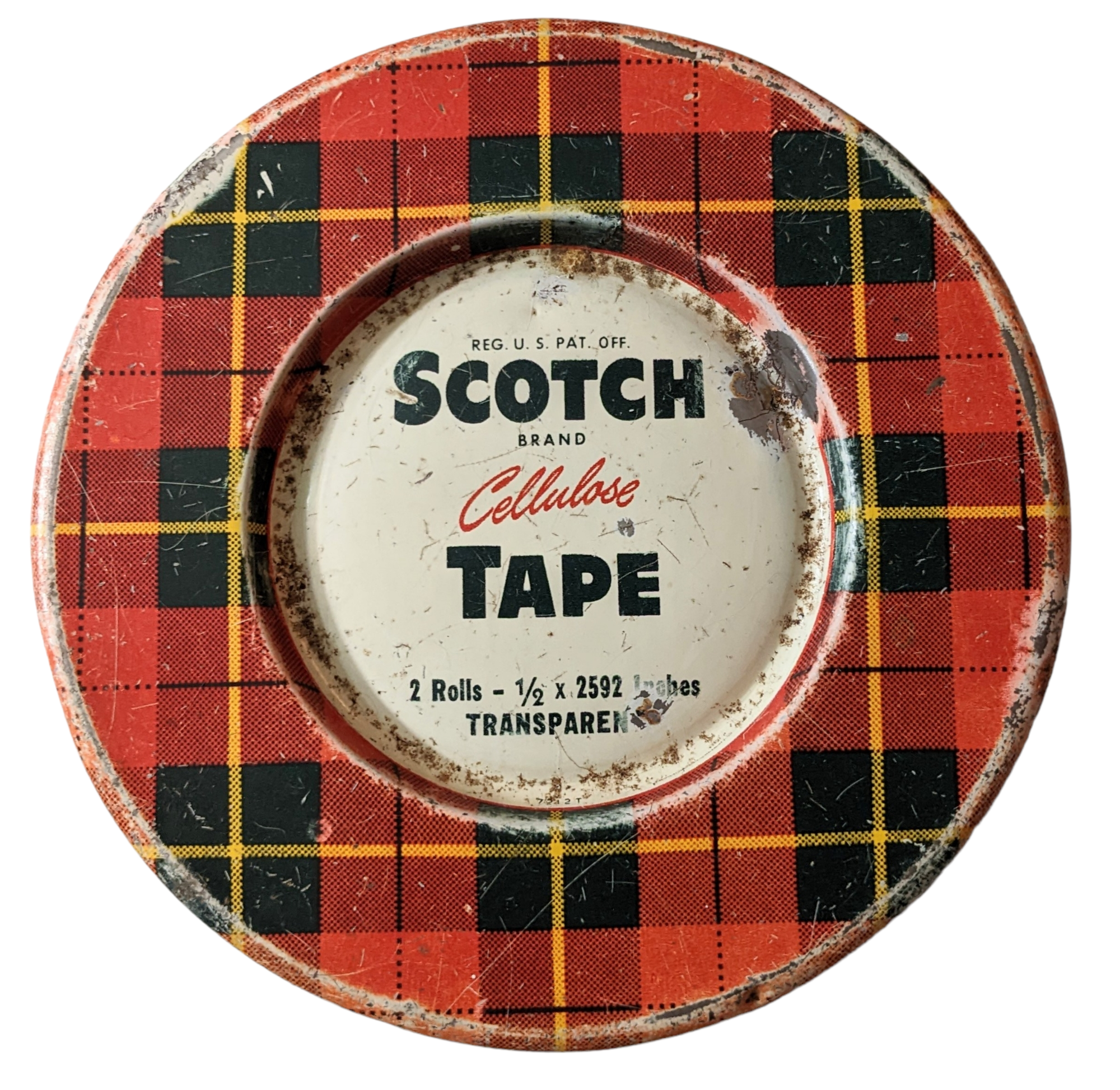
Vintage Scotch Tape Metal Container Tin

This is a Scotch Brand metal tape container tin from 3M. It held 2 rolls of transparent cellulose tape which, if dried out, needed to be stored in a damp place or have a wet cloth placed with the tape to rehydrate (the adhesive? cellulose itself?). The metal tin is an arguably more recyclable packaging alternative to the plastic clamshell we see today, as well as a pretty storage container.

Vintage Fully Metal Huge Parts Organization Cabinet

Aluminum metal drawers with steel exterior, indented front faces for labels. Found used in the Goodwill bins, where I had to dig for all of the drawers and inserts to make sure it was complete. These cabinets aren’t usually made like this anymore, especially with the metal drawers.

Metal parts cabinet made by Kaytee Products in Canton Ohio, USA.

Tape Packaging Insert

Tape packaging insert from a 3M brand in the 1960’s. Cellophane itself is a cellulose (plant material) film and is not necessarily seen in modern office tape.

This is a Rocket Brand coated cardboard cellophane tape label from the company 3M back when they included Minnesota Mining and Manufacturing Company in their logo. According to O’Reilly, this logo use began in 1961: “With the new logo design comes a standards manual that contains four approved variations of the logo. This one is based on the geometric paintings of the Dutch artist Piet Mondrian.”